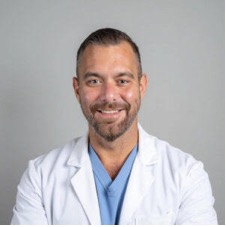
June 2026 – GLP-1 receptor agonist medications like semaglutide (Ozempic/Wegovy) and tirzepatide (Mounjaro/Zepbound) are being increasingly prescribed across America. So, an underappreciated surgical safety issue is emerging in operating rooms nationwide. Dr. Andrew Hummel, MD, a board-certified anesthesiologist and American Board of Anesthesiology (ABA) Diplomate, is raising awareness about the preoperative risks of these medications.
The Hidden Danger of Delayed Gastric Emptying
GLP-1 medications work partly by slowing the rate at which the stomach moves food into the small intestine. Under normal fasting conditions, this physiological effect becomes a serious liability during surgery. Under general anesthesia, the airway stays unprotected. So, if residual stomach contents remain, regurgitation and aspiration into the lungs become a potentially fatal risk.
Dr. Hummel has spoken directly on the issue: “Patients on GLP-1 medications like Ozempic need to hold them a full week prior, because those drugs dramatically slow how fast the stomach empties.”
Dr. Hummel’s protocol reflects the current American Society of Anesthesiologists (ASA) guidance, which recommends that weekly GLP-1 injections be held seven to fourteen days before elective surgery. Individualized decisions are also to be made based on medication type, dose, procedure, and gastrointestinal symptom history.
Many patients obtain GLP-1 medications through telehealth platforms or compounding pharmacies. They do not consider the medications relevant enough to be mentioned during preoperative consultations, which is dangerous.
What Patients Must Do Before Surgery
Dr. Hummel’s preoperative framework for patients on GLP-1 agents is built around three non-negotiables. First, the use of every drug, supplement, and injection must be disclosed to the entire surgical team. Second, the GLP-1 medication hold timeline must be confirmed directly with the anesthesiologist instead of assuming based on general online guidance. Third, patients should discuss bridging strategies if holding the medication disrupts diabetes management.
Dr. Hummel’s perioperative approach spans the full surgical journey. It covers everything, from complex comorbidity optimization and medication reconciliation to precision intraoperative management and postoperative nausea control.
Millions of Americans are prescribed GLP-1 medications, and elective surgeries are simultaneously increasing. But the gap between these two trends carries real clinical risk. Therefore, Dr. Hummel is committed to closing it.
About Dr. Andrew Hummel, MD
Dr. Andrew Hummel earned his MD from the University of Missouri-Kansas City School of Medicine and completed anesthesiology residency training at SUNY Downstate Health Sciences University. He is also a six-time 417 Top Doctor Award recipient and founder of the Dr. Andrew Hummel Scholarship for Medical Students. He is also dual-certified in Advanced Cardiovascular Life Support (ACLS) and Pediatric Advanced Life Support (PALS). To learn more, visit andrewhummelmd.com.