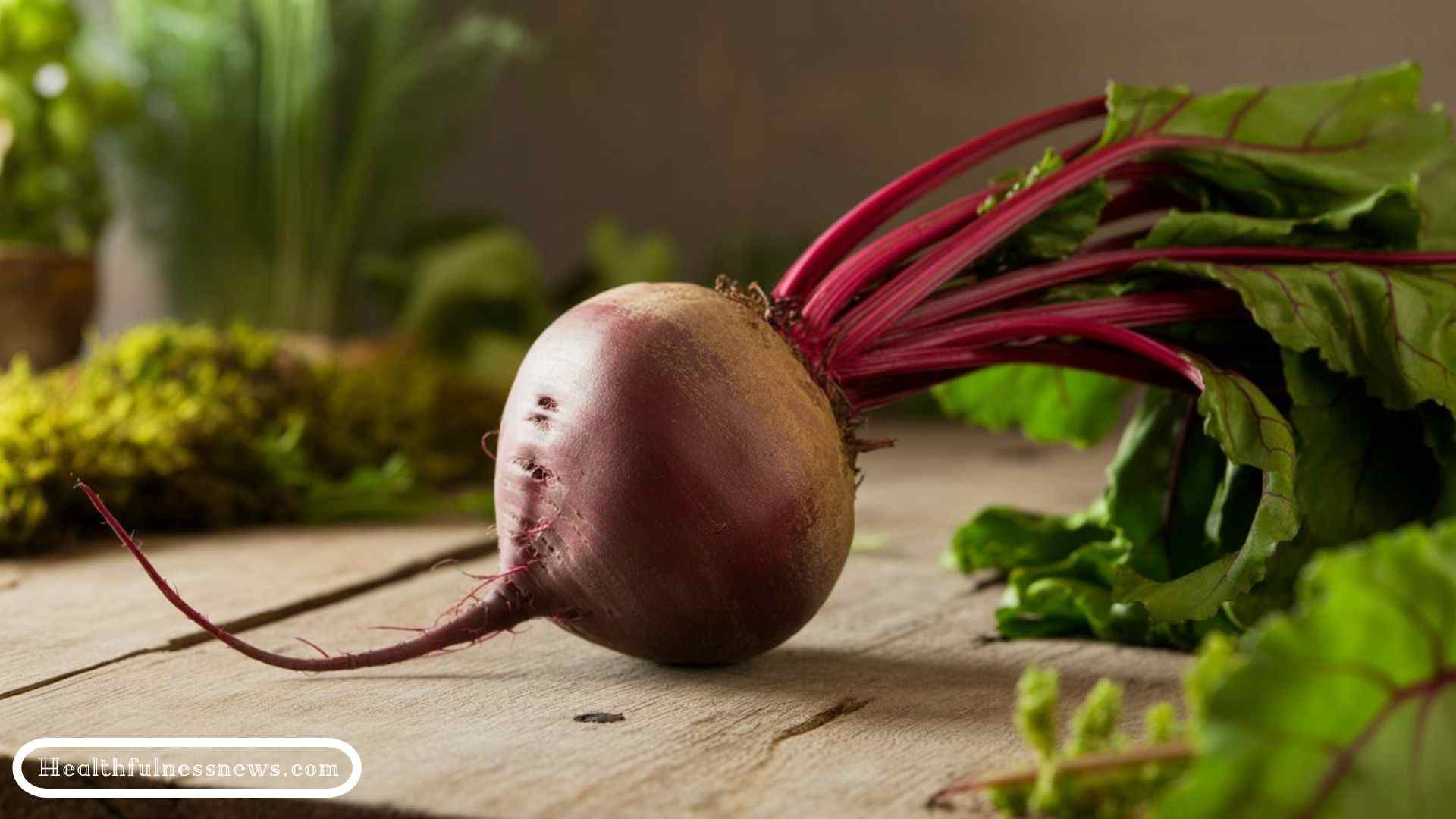
Beetroot Nutrition Information shows that beets are low in calories yet rich in fiber, vitamins, minerals and antioxidants. They support heart health, boost energy and improve digestion.
Keep following us as we uncover exciting facts about Beetroot Nutrition Information and its amazing benefits for your body.
Beetroot Nutrition Facts (Per 100g)
According to USDA FoodData Central here is the nutrition profile of raw beetroot:
| Nutrient | Amount |
| Calories | 43 kcal |
| Carbohydrates | 9.6 g |
| Protein | 1.6 g |
| Fat | 0.2 g |
| Fiber | 2.8 g |
| Sugar | 6.8 g |
| Vitamin C | 4.9 mg |
| Folate (Vitamin B9) | 109 µg |
| Potassium | 325 mg |
| Magnesium | 23 mg |
| Iron | 0.8 mg |
| Manganese | 0.3 mg |
| Phosphorus | 40 mg |
This shows beetroot is low in calories but high in essential nutrients like folate, potassium and antioxidants.
What Makes Beetroot Unique?
Beetroot is more than just a source of vitamins and minerals. It contains special compounds that give it extra health power:
- Dietary Nitrates: Improve blood flow, lower blood pressure, and boost exercise stamina.
- Betalains: Pigments responsible for beetroot’s rich red color; powerful antioxidants that fight inflammation.
- Polyphenols: Plant compounds that protect the heart and brain.
Top Health Benefits of Beetroot
Heart Health and Blood Pressure Control
Studies show beetroot nitrates can help relax blood vessels, improve circulation and reduce high blood pressure, a major risk factor for heart disease.
Better Exercise Performance
Beetroot juice is popular among athletes because it enhances oxygen use, endurance, and stamina. Drinking beetroot before workouts may improve performance naturally.
Improves Brain Function
Beetroot supports brain health by increasing blood flow to the brain. This may help slow age-related cognitive decline and support memory.
Supports Healthy Digestion
With almost 3 grams of fiber per serving, beetroot aids digestion, prevents constipation, and promotes healthy gut bacteria.
Helps Fight Inflammation
Betalains and antioxidants in beets reduce inflammation, which plays a role in chronic diseases like arthritis and diabetes.
Boosts Immunity and Skin Health
Rich in vitamin C and antioxidants, beetroot helps strengthen immunity and supports glowing skin.
Supports Detoxification
Beetroot supports liver health by increasing detoxifying enzymes, helping the body flush out toxins more effectively.
Beetroot Nutrition and Weight Management
If you are aiming to lose or manage weight, beetroot is an excellent addition:
- Low in Calories: Only 43 calories per 100g.
- High in Fiber: Keeps you full longer, reducing cravings.
- Natural Sweetness: A healthy alternative to processed sugars.
Beetroot Varieties and Their Nutrition
Not all beets are the same. Each variety has slightly different nutrition and flavor:
- Red Beetroot: Rich in betalains best for blood health.
- Golden Beetroot: Sweeter, high in antioxidants like carotenoids.
- Chioggia Beetroot: Pink and white stripes, milder taste, great for salads.
- Sugar Beet: Mostly used for sugar extraction.
All varieties are healthy but red beets are the most nutrient-dense.
Beetroot in Different Forms
How you eat beetroot can slightly change its nutrition content.
- Raw Beetroot: Highest in vitamins and antioxidants.
- Cooked Beetroot: Easier to digest but loses some vitamin C.
- Beetroot Juice: Concentrated nitrates, great for energy and performance.
- Pickled Beetroot: Tasty but may be high in sodium.
- Beetroot Powder: Convenient supplement for smoothies and shakes.
How to Add Beetroot to Your Diet?
Here are some delicious ways to enjoy beetroot daily:
- Add raw beet slices to salads.
- Blend beetroot smoothies with carrots, apples or ginger.
- Drink beetroot juice before workouts.
- Try roasted beetroot as a side dish.
- Use beetroot hummus for a colorful healthy dip.
- Sprinkle beetroot powder in energy drinks or oatmeal.
Beetroot for Specific Health Goals
- For Heart Health: Drink beetroot juice regularly.
- For Athletes: Consume beetroot 2 to 3 hours before exercise for peak stamina.
- For Skin Glow: Add raw beets to smoothies for vitamin C and antioxidants.
- For Digestion: Include roasted or boiled beets in meals for extra fiber.
Possible Side Effects of Beetroot
While beetroot is safe for most people you should be aware of some minor side effects:
- Beeturia: Urine or stool turning pink/red (harmless).
- Kidney Stones: Beets are high in oxalates, which can increase risk in sensitive individuals.
- Low Blood Pressure: People on BP-lowering medication should monitor intake.
Fun Facts About Beetroot
- Ancient Romans used beetroot as an aphrodisiac.
- Beetroot was first cultivated for its leaves, not the root.
- The deep red pigment is sometimes used as a natural food coloring.
FAQ’s
1. What are the benefits of eating beetroot?
Beetroot helps lower blood pressure, improves stamina, supports digestion, boosts brain health and gives your body powerful antioxidants.
2. Is it okay to eat beetroots every day?
Yes, eating a small to medium beet daily is safe and healthy for most people.
3. Which color beet is the healthiest?
Red beetroot is the most nutrient-rich because it contains betalains, but golden and striped varieties are also very healthy.
4. Why is beetroot called a superfood?
It’s called a superfood because it’s low in calories but high in vitamins, minerals, fiber, and antioxidants that support overall health.
5. Are beets anti-inflammatory?
Yes, beets contain betalains and antioxidants that reduce inflammation in the body.
6. Does beetroot increase estrogen?
No, beetroot doesn’t directly increase estrogen. It supports hormone balance but is not a strong estrogen booster.
7. What are the disadvantages of beetroot?
Too much beetroot may cause red urine (beeturia), kidney stone risk (due to oxalates), or low blood pressure in sensitive people.
8. What are 5 estrogen foods to avoid?
Foods high in phytoestrogens include soy, flaxseeds, sesame seeds, chickpeas and tofu. People with hormone issues may need to limit them.
9. What does beetroot do to a woman’s body?
Beetroot helps boost energy, improves skin glow, supports healthy blood flow, and provides folate for reproductive health.
10. Do beets tighten skin?
Beets do not directly tighten skin, but their vitamin C and antioxidants help improve skin elasticity and glow.
11. What happens to your body if you eat beetroot for 7 days?
Eating beetroot daily for a week may lower blood pressure, improve digestion, boost stamina, and make skin look healthier.
12. Are canned beets as good as fresh beets?
Canned beets still contain nutrients but fresh beets are healthier since they have more vitamins and less added salt.
Conclusion:
Beetroot is a colorful superfood that offers big health benefits in a small package. From boosting energy to improving heart and skin health It is a smart choice for everyday meals. Adding beets to your diet is an easy step toward a healthier happier lifestyle.
For More Knowledge Visit My Website.