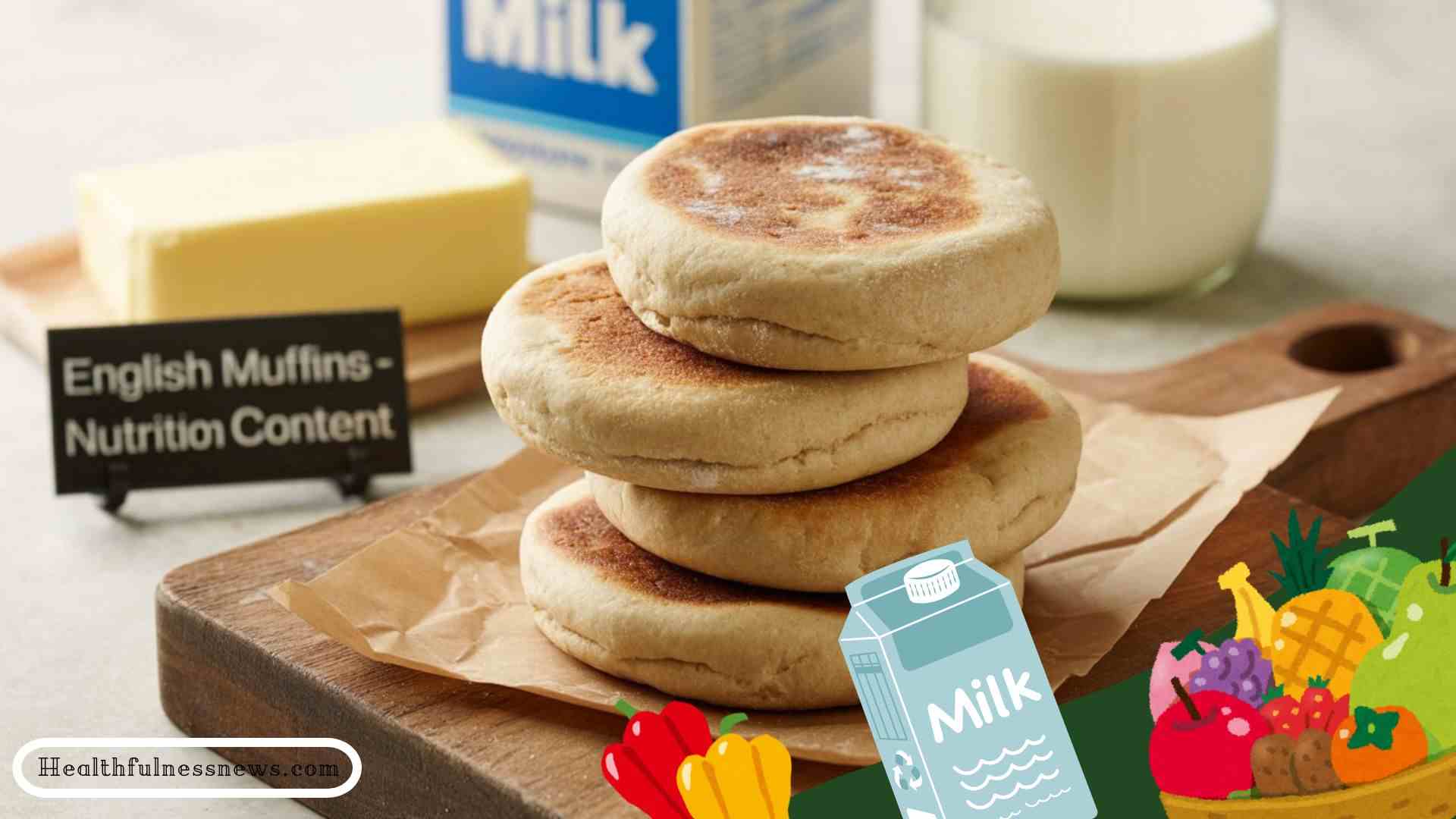
French roll nutrition includes around 160 to 180 calories 30 to 35g of carbs and 4 to 6g of protein per medium roll. It is low in fat and cholesterol but offers quick energy and light protein.
Stay tuned with us.We’ll soon talk more about French Roll Nutrition. How many calories it has, whether it is healthy and how to enjoy it in a better way. Do not miss out.
What Is a French Roll?
A French roll is a small individual sized bread roll typically made with flour, water, yeast and salt. Unlike soft dinner rolls. It has a crusty exterior and chewy inside. French rolls are often baked fresh in bakeries, supermarkets and even at home.
Quick Nutrition Overview (Per 1 Medium French Roll to 57g)
| Nutrient | Amount |
| Calories | 160 to 180 kcal |
| Total Fat | 0.5 to 2 g |
| Saturated Fat | 0 to 0.5 g |
| Cholesterol | 0 mg |
| Sodium | 250 to 300 mg |
| Carbohydrates | 30 to 35 g |
| Dietary Fiber | 1 to 2 g |
| Sugars | 0 to 2 g |
| Protein | 4 to 6 g |
| Iron | 8 to 10% DV |
| Calcium | 2 to 4% DV |
Health Benefits of French Rolls
Although French rolls are often considered a simple carb. They do offer a few nutritional benefits when eaten in moderation:
Energy Boost
Thanks to their high carbohydrate content French rolls provide a quick energy source perfect before workouts or during physically demanding days.
Low in Fat
Most traditional French rolls are very low in fat and contain no cholesterol making them a lighter option compared to buttery or fried breads.
Source of Protein
While not a protein powerhouse French rolls offer about 5g of protein per roll which supports muscle maintenance and repair.
Homemade vs. Store-Bought French Rolls

Homemade French Rolls:
- Fewer additives and preservatives
- Control over ingredients (e.g salt, sugar)
- Better flavor and freshness
- Can use whole wheat or gluten-free flour
Store-Bought French Rolls:
- Convenient and accessible
- May contain added sugars or preservatives
- Higher sodium levels
- Often less fiber unless labeled “whole grain”
Healthier Tip: Look for labels like “whole wheat” “low sodium” or “non GMO” on store bought varieties.
Nutritional Comparison with Other Bread Types
| Bread Type | Calories | Carbs (g) | Fiber (g) | Protein (g) |
| French Roll | 160 to 180 | 30 to 35 | 1 to 2 | 4 to 6 |
| Whole Wheat Bread | 120 to 130 | 22 to 25 | 3 to 4 | 5 to 6 |
| Multigrain Bread | 140 | 24 | 3 to 4 | 5 |
| Brioche Roll | 200+ | 28 to 30 | <1 | 4 |
| Gluten-Free Roll | 160 to 180 | 30 to 35 | 1 to 3 | 2 to 4 |
Best Times to Eat French Rolls
French rolls are not ideal for a low-carb or keto diet. They can still be enjoyed in moderation. Here is when they fit best:
- Before workouts (for quick energy)
- As part of lunch paired with protein and fiber
- At breakfast with eggs or avocado
- In moderation at dinner with soup or salad
French Roll Diet Alternatives
Looking for lower-carb or more nutritious swaps? Here are a few:
- Whole Wheat Rolls: Higher fiber better digestion
- Sprouted Grain Rolls: Lower GI more nutrients
- Low-Carb Rolls: Great for keto or diabetic diets
- Lettuce Wraps: No bread, just crunch!
- Portobello Mushrooms: For a grain-free sandwich base
How to Reduce Calories in French Roll Meals?
If you are trying to manage your calorie intake try these:
- Skip butter or creamy spreads
- Use lean meats like turkey or grilled chicken
- Load up on lettuce, spinach, tomatoes, and cucumbers
- Avoid processed deli meats high in sodium
- Toast it lightly instead of frying
Is French Roll Gluten-Free?
No, French rolls are not gluten-free as they are made from wheat flour. If you have Celiac disease or gluten intolerance avoid traditional French rolls and opt for:
- Gluten-free rice flour rolls
- Almond flour rolls
- Chickpea or lentil-based bread options
How to Store French Rolls Properly?
French rolls are best eaten fresh but here is how to store them:
Short Term:
- Store at room temperature in a paper bag for up to 2 days
- Avoid plastic bags they soften the crust
Long Term:
- Freeze individually wrapped rolls in foil or airtight bags
- Reheat in the oven at 375°F (190°C) for 5 to 7 minutes to refresh
French Roll Health Facts
- French rolls are cholesterol-free
- They are a source of iron and folate
- They contain no trans fats if made traditionally
- Adding olive oil or hummus can boost healthy fats
- One roll provides 10% of your daily carbohydrate needs
Should You Eat French Rolls Daily?
While they are not harmful in small portions daily consumption of white bread products may lead to:
- Blood sugar spikes
- Weight gain (if overeaten)
- Reduced fiber intake
Best approach: Eat occasionally and mix with whole grain alternatives for better nutrition.
FAQ’s
1. How many calories are in a French roll?
A medium French roll (about 57g) has 160 to 180 calories.
2. Is French roll bread healthy?
Yes, in moderation. French rolls are low in fat and cholesterol, but they are made with white flour so they have less fiber.
3. How many calories are in a French sandwich roll?
A French sandwich roll (larger than a regular one) has around 200 to 250 calories depending on the size and brand.
4. How many calories is in a 12-inch French baguette?
A 12-inch baguette contains about 400 to 480 calories depending on its thickness and ingredients.
5. Is baguette unhealthy?
Not really but It is best eaten in moderation. Baguettes are high in carbs and low in fiber especially if made with white flour.
6. How many calories are in a 20-inch baguette?
A 20-inch baguette can have around 700 to 800 calories or more, depending on the recipe and size.
Conclusion:
French rolls are tasty and simple and can fit into a healthy diet when eaten in moderation. They give quick energy and pair well with many meals. Just be mindful of calories and choose whole grain when possible. Enjoy them smartly and your meals can stay both delicious and balanced.