Urinary incontinence affects many women and men in different stages of life. Bladder leakage can happen during exercise, pregnancy, coughing, or even simple daily activities. Rebecca’s Physical Therapy provides specialized and evidence based care designed to treat urinary incontinence safely and effectively in Mount Pleasant, SC.
Many people feel embarrassed discussing bladder control issues, but treatment can significantly improve quality of life. With proper pelvic floor therapy and guided support, patients can regain strength, confidence, and independence without surgery.
Why Choose Rebecca’s Physical Therapy for Incontinence Mount Pleasant SC
Finding expert care for Incontinence Mount Pleasant SC requires a provider who understands pelvic health deeply. Rebecca’s Physical Therapy focuses specifically on pelvic floor rehabilitation using proven clinical methods tailored to each patient’s condition.
Patients can schedule a private evaluation through rebeccaspt.com and receive a personalized plan that addresses the root cause of leakage. The clinic emphasizes education, comfort, and measurable progress throughout treatment.
Understanding Urinary Incontinence and Pelvic Floor Function
Urinary incontinence is the involuntary loss of urine. It may occur during physical activity, when feeling a sudden urge to urinate, or due to weakened bladder support.
The pelvic floor muscles support the bladder, bowel, and reproductive organs. When these muscles become weak, tight, or poorly coordinated, bladder control may decline. Identifying muscle imbalance is the first step toward recovery.
Common Types of Urinary Incontinence
Stress incontinence occurs when leakage happens during activities like coughing, sneezing, or exercising. This type is often related to pelvic floor weakness.
Urge incontinence involves a sudden and intense need to urinate followed by leakage. Mixed incontinence combines both stress and urge symptoms. Proper diagnosis helps determine the correct therapy approach.
Causes of Urinary Incontinence in Women
Pregnancy and childbirth place significant pressure on the pelvic floor. Hormonal changes and muscle stretching can reduce bladder support.
Other causes include menopause, pelvic surgery, chronic constipation, heavy lifting, and high impact exercise. Aging may also contribute to muscle weakness over time.
Evidence Based Pelvic Floor Therapy for Urinary Incontinence
4
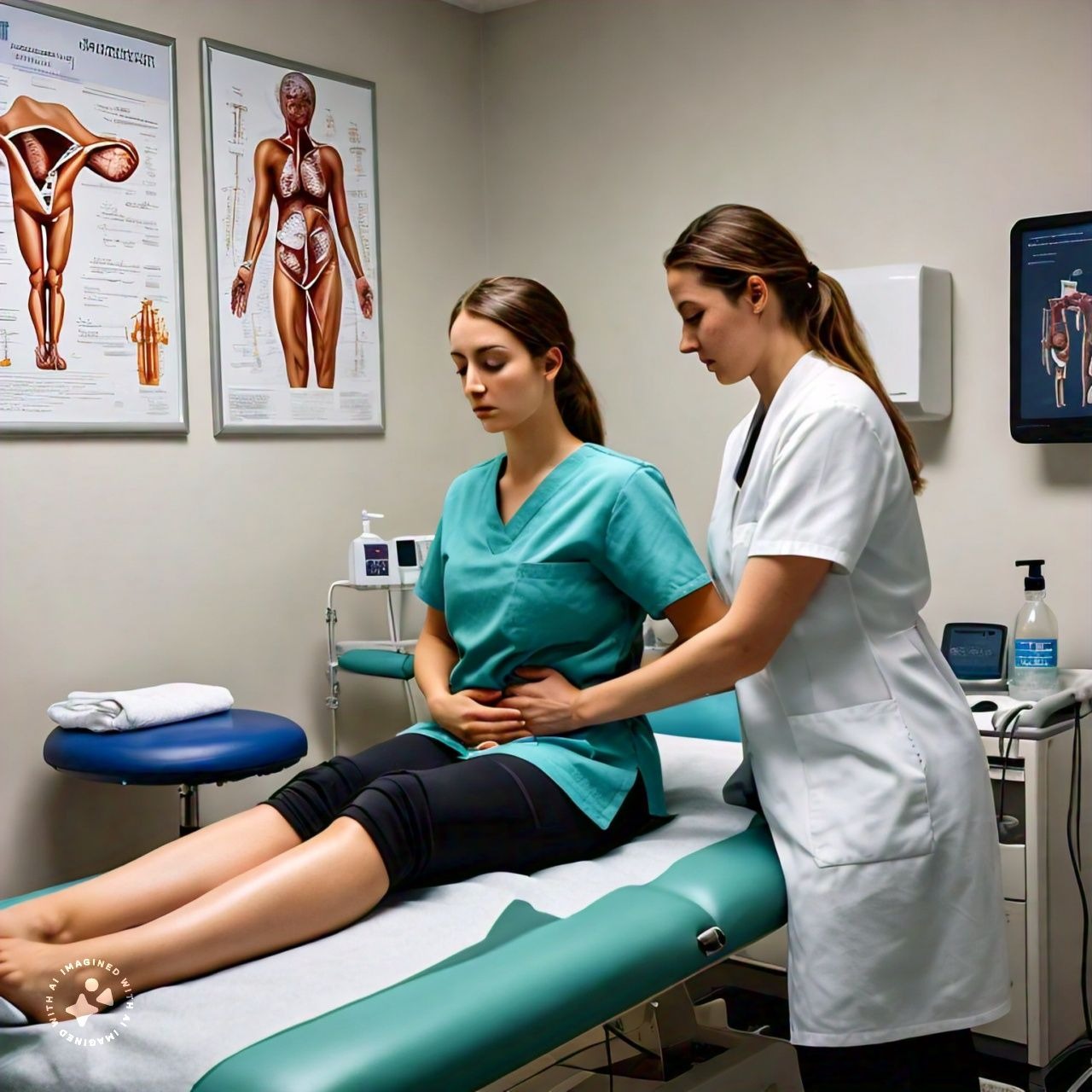
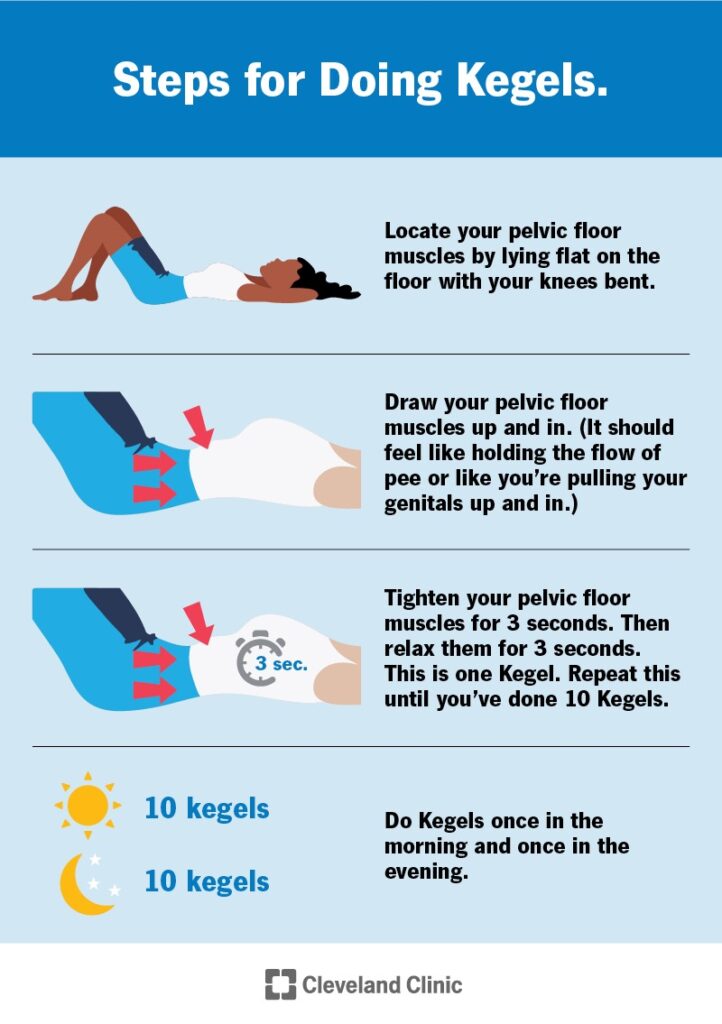
Pelvic floor therapy focuses on strengthening and retraining muscles that support bladder control. Treatment may include guided exercises, breathing coordination, posture training, and manual therapy techniques.
Rebecca’s Physical Therapy uses research supported methods to improve muscle activation and coordination. Sessions are conducted in a private setting to ensure comfort and trust.
Pregnancy and Postpartum Urinary Incontinence Support
Many women experience bladder leakage during pregnancy due to increased abdominal pressure. After delivery, weakened muscles may struggle to regain strength without proper rehabilitation.
Postpartum therapy at Rebecca’s Physical Therapy provides structured exercises and education that help restore stability and muscle function. This proactive approach supports long term bladder control and core strength.
Personalized Treatment Plans for Lasting Results
Every patient has unique symptoms and lifestyle needs. A one size approach does not work for pelvic health conditions.
At Rebecca’s Physical Therapy, therapists perform detailed evaluations to design customized programs. Progress is monitored regularly, and exercises are adjusted to ensure steady improvement.
Benefits of Early Urinary Incontinence Treatment
Seeking treatment early can prevent symptoms from worsening. Many patients notice reduced leakage and improved confidence within weeks of beginning therapy.
Addressing pelvic floor dysfunction early may also prevent the need for medications or surgical procedures. Early care supports long term bladder health.
Lifestyle and Behavioral Strategies for Bladder Control
In addition to therapy exercises, patients learn helpful bladder habits. This may include fluid management guidance and timed voiding techniques.
Education empowers patients to understand their condition and take active steps toward recovery. Combining lifestyle adjustments with therapy often produces stronger results.
Rebecca’s Physical Therapy Helping Mount Pleasant Residents Regain Control
Urinary incontinence should not limit your daily life or activities. With specialized care and evidence based pelvic floor therapy, improvement is possible.
To learn more about treatment options for Incontinence Mount Pleasant SC, visit rebeccaspt.com and schedule a consultation. Rebecca’s Physical Therapy is committed to helping patients in Mount Pleasant regain comfort, confidence, and bladder control through compassionate and professional care.