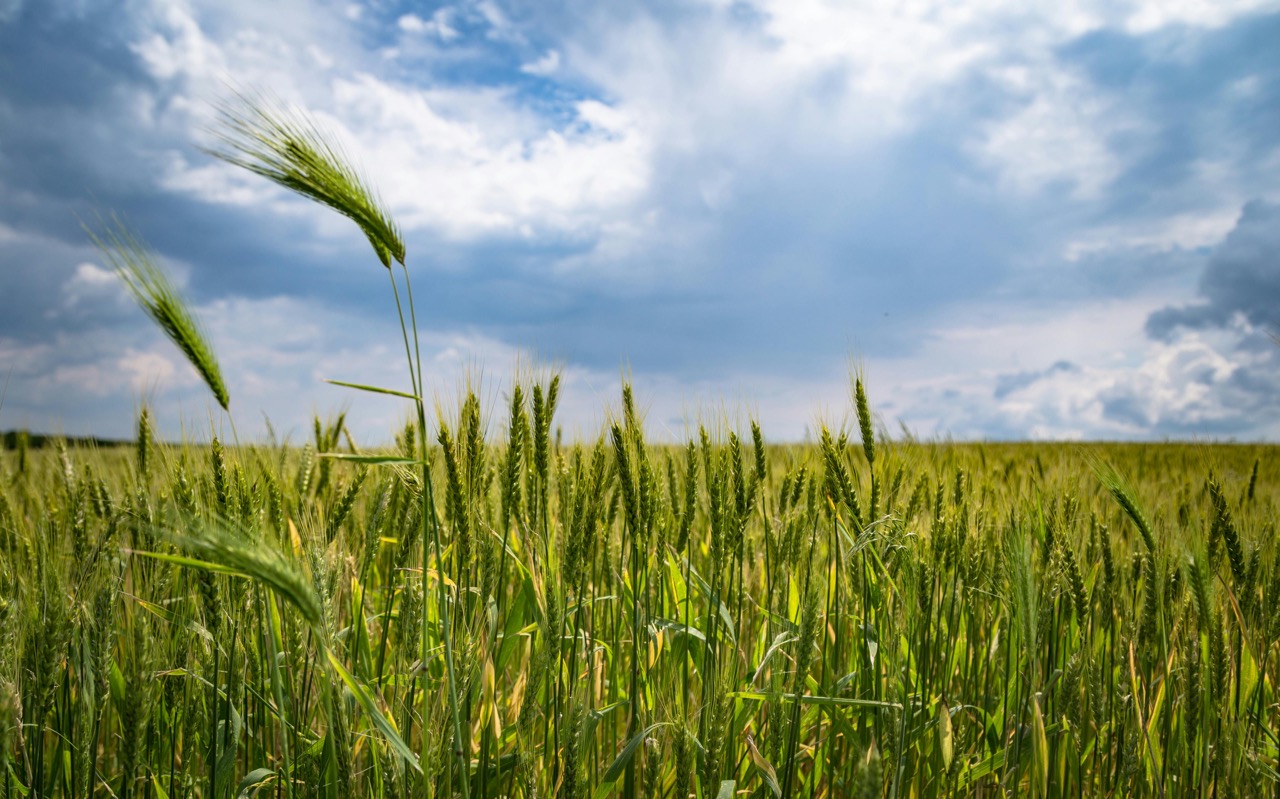
We’re standing at fascinating crossroads in agriculture. Traditional farming methods are colliding head-on with cutting-edge technologies and a growing environmental awareness that’s impossible to ignore. Here’s the reality: with global populations expected to hit 10 billion by 2050, the pressure on our food production systems isn’t just increasing; it’s intensifying at an exponential rate. Farmers and agricultural innovators aren’t just sitting back and watching this happen. They’re actively developing sustainable solutions that could completely transform how we grow, harvest, and get food to people’s tables. What makes this particularly compelling? These approaches tackle the urgent challenge of food security while simultaneously protecting our environment, conserving precious resources, and ensuring we’re building systems that’ll last. This shift toward sustainable farming isn’t another passing fad. It represents a fundamental rethinking of how we interact with the land and what we owe to the generations that’ll come after us.
Precision Agriculture and Smart Farming Technologies
Advanced technology has completely opened up new possibilities for sustainable food production in ways that would’ve seemed like science fiction just decades ago. Precision agriculture brings together GPS mapping, drone surveillance, soil sensors, and artificial intelligence to fine-tune every aspect of crop management with remarkable accuracy. What does this mean in practice? Farmers can now monitor their fields in real-time, applying water, fertilizers, and pesticides only where they’re actually needed, and only when they’re needed. The result? Dramatic reductions in waste and environmental impact.
Regenerative Agriculture and Soil Health Management
Regenerative agriculture takes a holistic approach that actually goes beyond just sustaining what we have, it actively works to improve and restore agricultural ecosystems. This farming philosophy zeroes in on rebuilding organic matter in soil and bringing back degraded soil biodiversity, which creates agricultural systems that are genuinely more resilient to climate variations. The practices involved, cover cropping, reduced tillage, diverse crop rotations, and integrated livestock management, work together synergistically to enhance soil structure and fertility in completely natural ways. Here’s something remarkable: healthy soil functions as a massive carbon sink, pulling atmospheric carbon dioxide out of the air and storing it underground.
Vertical Farming and Controlled Environment Agriculture
Urban agriculture and controlled environment growing systems are completely reimagining how we think about farming spaces and what’s actually possible in food production. Vertical farms use stacked growing systems inside climate, controlled indoor facilities, churning out fresh crops year-round regardless of what’s happening with the weather outside or geographic limitations. These innovative facilities employ LED lighting systems that are specifically calibrated to what plants need to thrive, hydroponic or aeroponic nutrient delivery systems, and sophisticated environmental controls that optimize every single growth parameter. The water efficiency these systems achieve is particularly striking, they use up to 95 percent less water than traditional field agriculture through recirculation and precision delivery methods.
Alternative Protein Sources and Diversified Production
Sustainable farming’s future stretches well beyond traditional crops to embrace diverse protein sources that demand fewer resources and generate lower environmental impacts. Mushroom cultivation, insect farming, algae production, and cellular agriculture represent emerging sectors that complement conventional agriculture while directly addressing sustainability concerns. These alternative protein sources typically need less land, water, and feed inputs compared to traditional livestock, while producing significantly lower greenhouse gas emissions in the process. Take mushrooms as an example, they can be cultivated on agricultural waste products, essentially transforming materials that would otherwise just decompose into nutritious food sources packed with protein, vitamins, and minerals. For individuals interested in sustainable food production on a smaller scale, a home mushroom growing kit provides an accessible entry point into cultivating nutritious fungi with minimal space and resources. The circular economy principles built into many alternative protein production systems create closed, loop operations where what would be waste in one process becomes input for the next production cycle. Consumer acceptance of these alternatives continues growing as awareness of environmental impacts increases and product quality improves through ongoing research and development. Diversifying protein production doesn’t just enhance food security through multiple supply chains, it also creates economic opportunities for farmers who are looking to adapt to changing market demands and environmental realities.
Water Conservation and Irrigation Innovation
Water scarcity stands out as one of the most pressing challenges facing global agriculture today, making efficient water management absolutely crucial for sustainable farming’s future. Advanced irrigation technologies like drip systems, subsurface irrigation, and soil moisture sensors enable precise water delivery that matches exactly what plants need while eliminating runoff and evaporation losses. Rainwater harvesting systems, constructed wetlands, and water recycling infrastructure are helping farms become more self-sufficient and resilient when drought conditions hit. Drought-resistant crop varieties, developed through both traditional breeding and modern genetic techniques, provide additional strategies for maintaining productivity with reduced water inputs.
Conclusion
The future of farming ultimately lies in thoughtfully integrating technological innovation, ecological wisdom, and economic viability to create genuinely sustainable agricultural systems. As climate change intensifies, resource constraints tighten, and population demands increase, the farming solutions being developed and implemented today will directly determine food security for generations to come. The convergence of precision agriculture, regenerative practices, controlled environment systems, alternative proteins, and water conservation strategies offers real hope that humanity can meet its nutritional needs while healing rather than harming the planet. Success will require continued investment in research, education, and infrastructure, along with supportive policies that incentivize sustainable practices and help farmers navigate the transition to new methods. The agricultural revolution currently underway represents more than just technological advancement, it’s a fundamental reimagining of our relationship with food production, emphasizing resilience, efficiency, and environmental stewardship as inseparable components of farming’s future.