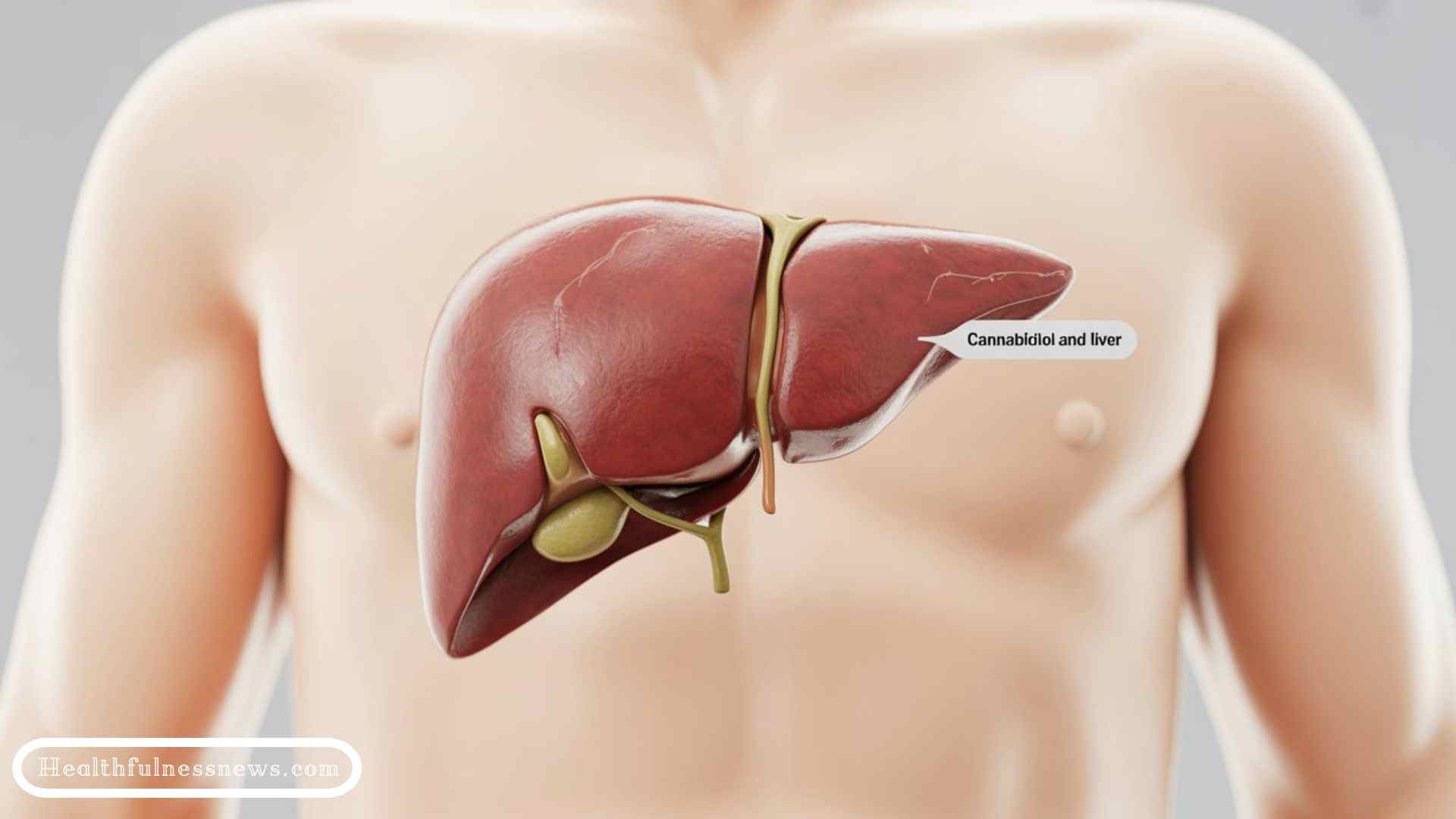
Cannabidiol (CBD) is processed by the liver and can affect it if taken in high amounts. For most people small doses are safe but it is smart to talk to a doctor if you use it often.
Keep following us for more easy to understand info on Cannabidiol and Liver care. Your guide to safe CBD use is coming soon.
What Is Cannabidiol (CBD)?
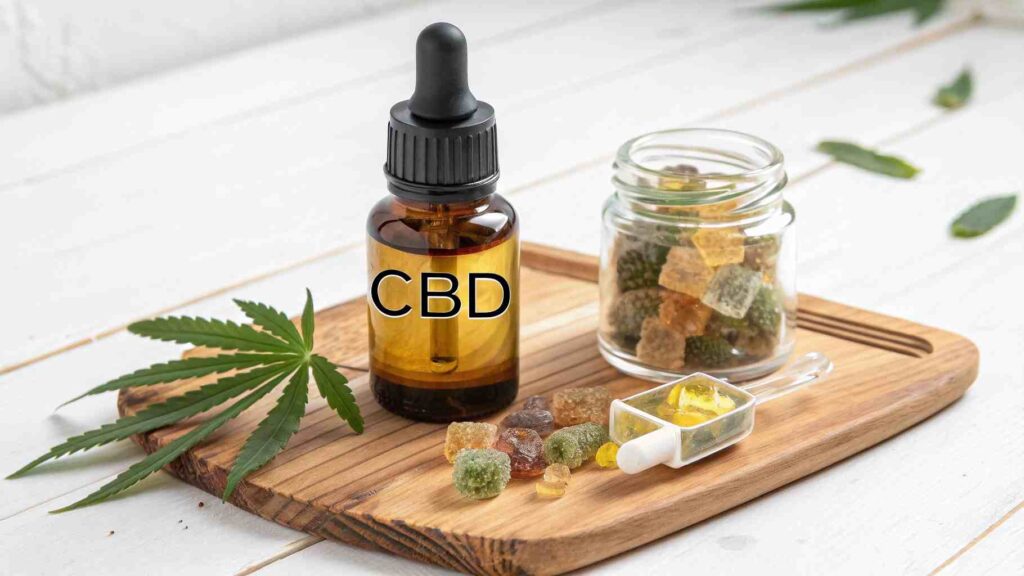
CBD is one of over 100 cannabinoids found in the cannabis plant. Unlike THC (tetrahydrocannabinol), CBD does not produce a high. It interacts with the body’s endocannabinoid system (ECS) which plays a role in regulating mood, pain, sleep and immune response.
How Does the Liver Work?
The liver is your body’s detox powerhouse. It breaks down substances, filters toxins and helps metabolize medications and supplements including CBD.
When you ingest CBD your liver processes it using the cytochrome P450 enzyme system. This system also processes around 60% of prescription drugs. That is where things get interesting.
Can CBD Affect the Liver?
Animal Studies Raise Concerns
Some animal studies have shown high doses of CBD may lead to liver damage. For instance a 2019 study on mice reported liver toxicity after extremely large doses of CBD far beyond what a typical human would take.
Human Studies Show Mixed Results
In clinical trials involving humans, most participants tolerated CBD well. However elevated liver enzymes were observed in a small percentage of people especially when they were taking other medications like antiepileptics (e.g., valproate).
Interaction with Medications
Since the liver breaks down both CBD and many drugs CBD could interfere with other medications. This may cause drugs to stay longer in your system increasing side effects or toxicity.
How to Use CBD Safely for Liver Health?
Here are simple ways to protect your liver while using CBD:
Start Low and Go Slow
Begin with the lowest effective dose. Monitor how your body reacts before increasing the amount.
Check Your Medications
Talk to your doctor or pharmacist to make sure CBD won’t interfere with your current medications.
Choose Quality Products
Always buy third-party tested CBD products. Avoid cheap or unregulated brands that may contain pesticides, heavy metals, or undisclosed ingredients.
Monitor Liver Enzymes
If you are using CBD long term or at high doses, ask your doctor to monitor your ALT and AST enzyme levels through routine blood tests.
Different Forms of CBD and Liver Impact
| Form of CBD | Liver Metabolism Involved | Risk to Liver |
| CBD Oil (sublingual) | Yes | Moderate |
| CBD Edibles (gummies, capsules) | Yes | Moderate |
| CBD Vapes | Yes (but faster absorption) | Higher if overused |
| CBD Topicals (creams, balms) | No (not metabolized by liver) | Very low |
Tip: Topical CBD is best if you want relief without involving the liver.
CBD and Drug Interactions: A Hidden Risk
CBD can affect how your body metabolizes other drugs, particularly:
- Blood thinners (e.g., warfarin)
- Anti-seizure medications
- Antidepressants
- Statins
- Pain medications
This occurs because CBD inhibits enzymes in the CYP450 system possibly leading to higher blood levels of those medications and increased side effects.Always talk to your doctor before mixing CBD with prescription meds.
How to Check Your Liver Health While Using CBD?
To stay safe ask your healthcare provider to run basic liver function tests (LFTs):
- ALT (Alanine Aminotransferase)
- AST (Aspartate Aminotransferase)
- ALP (Alkaline Phosphatase)
- Bilirubin
Elevated levels may signal liver stress or damage.
CBD and Liver Disease: Can It Help or Harm?
Potential Benefits (Under Study)
- CBD may reduce inflammation in chronic liver diseases like NAFLD (non-alcoholic fatty liver disease)
- May help with oxidative stress reduction in hepatitis models
Potential Risks
- In people with liver impairment, CBD may accumulate in the bloodstream
- May worsen side effects of other liver-metabolized drugs
In short: More research is needed. For now if you have liver disease only use CBD under medical guidance.
Future Research: What We Still Don’t Know
Ongoing and future studies aim to clarify:
- Long-term liver effects of daily low-dose CBD
- Safe CBD use in people with liver disease
- Genetic differences in liver metabolism of CBD
- Safer formulations for people on multiple medications
Stay tuned! Science is evolving and we are learning more every year.
FAQ’s
1. Does cannabidiol affect the liver?
Yes, in high doses or when combined with certain medications CBD may affect liver enzymes. But for most healthy people using low to moderate amounts. It is generally safe.
2. What destroys the liver the most?
Heavy alcohol use, hepatitis infections and long term use of harmful medications or toxins are the top things that damage the liver the most.
3. What is the best drink to flush your liver?
Water is the best. You can also try lemon water, green tea or beet juice to support natural liver detox.
4. What supplements cause liver damage?
Some supplements like kava vitamin A (in high doses), green tea extract (concentrated) and anabolic steroids can harm your liver if taken too much.
5. Can vitamin D damage your liver?
No, vitamin D is safe in normal doses. But very high amounts over time can harm your liver and kidneys.
6. What are the three worst things for your liver?
- Alcohol
- Processed sugars
- Fatty and fried foods
These can lead to liver inflammation and fatty liver disease.
7. Can B12 repair the liver?
B12 does not directly repair the liver but it supports overall health and may help people with liver disease feel better if they are deficient.
Conclusion:
CBD can offer great health benefits, but it is important to use it wisely especially for your liver. Stick to safe doses, choose quality products, and talk to your doctor if you are unsure. Stay informed and take care of your liver. It is one of your body’s most important organs.