You wake up one morning and your back feels fine. The sharp pain has faded. You finally feel like yourself again. So you clean the whole house, lift a few boxes, and run errands. By night, the pain is back, and it is worse than before.
This is the good day trap. It catches many people who are healing from a car crash, a fall, or a sports injury. A good day feels like the finish line. In truth, it is often just a pause. Let’s look at why this happens and how you can protect your recovery.
Why a Good Day Does Not Mean You Are Healed
Pain is not a perfect gauge. Rest, medicine, and a calm morning can all hide how much healing is still needed. So a pain-free hour does not always mean your body is ready for heavy work.
Your mind also plays a part. You are tired of asking for help. You feel guilty about missed chores and missed shifts. As a result, one good day can turn into a race to catch up on everything.
Many injured people face legal questions on top of medical ones. A Peter Michael lawyer can explain your rights while you focus on getting better. That way, you never feel pushed to rush back before your body is ready.
The Boom and Bust Cycle
Here is how the trap works. First, you feel good and do too much. That is the boom. Next, your pain flares up and you feel wiped out. That is the bust. Then you rest for days. Finally, another good day arrives, and the loop starts again.
Over time, this pattern can leave you with fewer good days. It can also hurt your mood. You may feel like you are failing at recovery, when the real problem is your pace.
Signs You Are Overdoing It
Your body often sends hints before a full crash. Watch for pain that spikes later that evening. Notice stiffness the next morning that feels worse than usual. Pay attention to a heavy, drained feeling that lingers for hours. Trouble sleeping after a busy day is another clue.
If you spot these signs, do not blame yourself. Simply cut back a little the next day. Then return to your steady plan. Small changes work better than long breaks. Also, ask a friend or family member to help with heavy tasks. Sharing the load keeps your energy steady.
Keep in mind that how an injury changes daily life goes well beyond pain. Simple jobs like dressing, cooking, and driving can drain your energy fast. Therefore, it is easy to spend too much energy on a single good day.
Talk Honestly With Your Care Team
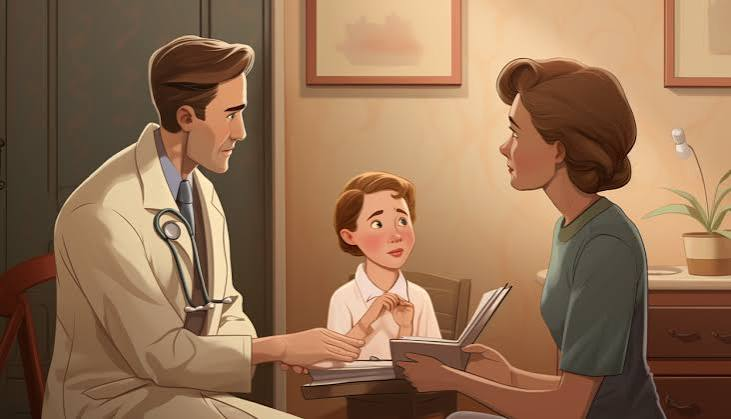
Your doctor needs the full story. Share your good days and your bad days. If you only mention the good ones, your doctor may think you are further along than you are. The same goes for your lawyer. Honest details help everyone give you better guidance.
Also, ask before you try bigger tasks. Lifting, long drives, and full work hours can wait for a green light. Call your provider if you notice sharp pain spikes, new swelling, dizziness, or poor sleep after activity.
Pace Yourself Like a Pro
A better plan is steady effort. Writers who study energy limits describe pacing as a balance of activity and rest. It also means taking breaks before you feel exhausted.
Here is a real example. Writer Janelle Gast was diagnosed with POTS, a condition that makes daily tasks tiring. She shared that some days she pushed too hard and ended up completely wiped out. Other days she rested too much and felt stuck. Her answer was pacing, which means resting before she hits her limit. Her condition is not the same as a sprain or a broken bone. Still, the lesson fits injury recovery well. Too much and too little both cause trouble.
Try these simple steps:
Pick one activity, such as walking. Set a time limit that feels easy. Stick to that limit on good days and bad days. Add a few minutes only when your doctor says it is safe.
Break big chores into small parts. For example, fold laundry in two rounds instead of one. Sit down while you cook. Take a break before you feel tired, not after.
Write down what you did each day. A notebook or a phone note works well. Soon, a pattern will show up, and it will help you plan.
Give Yourself Credit for Small Wins
Recovery is not a race. Some weeks will feel slow. However, small wins still count. Maybe you walked ten minutes without a break. Maybe you cooked dinner and sat down halfway through. Those moments show real progress, so celebrate them.
Next time a good day shows up, enjoy it. Take a walk, see a friend, or simply relax. Then save the heavy chores for another day. Slow and steady healing beats a quick burst followed by a crash. Your body will thank you, and your recovery will stay on track.