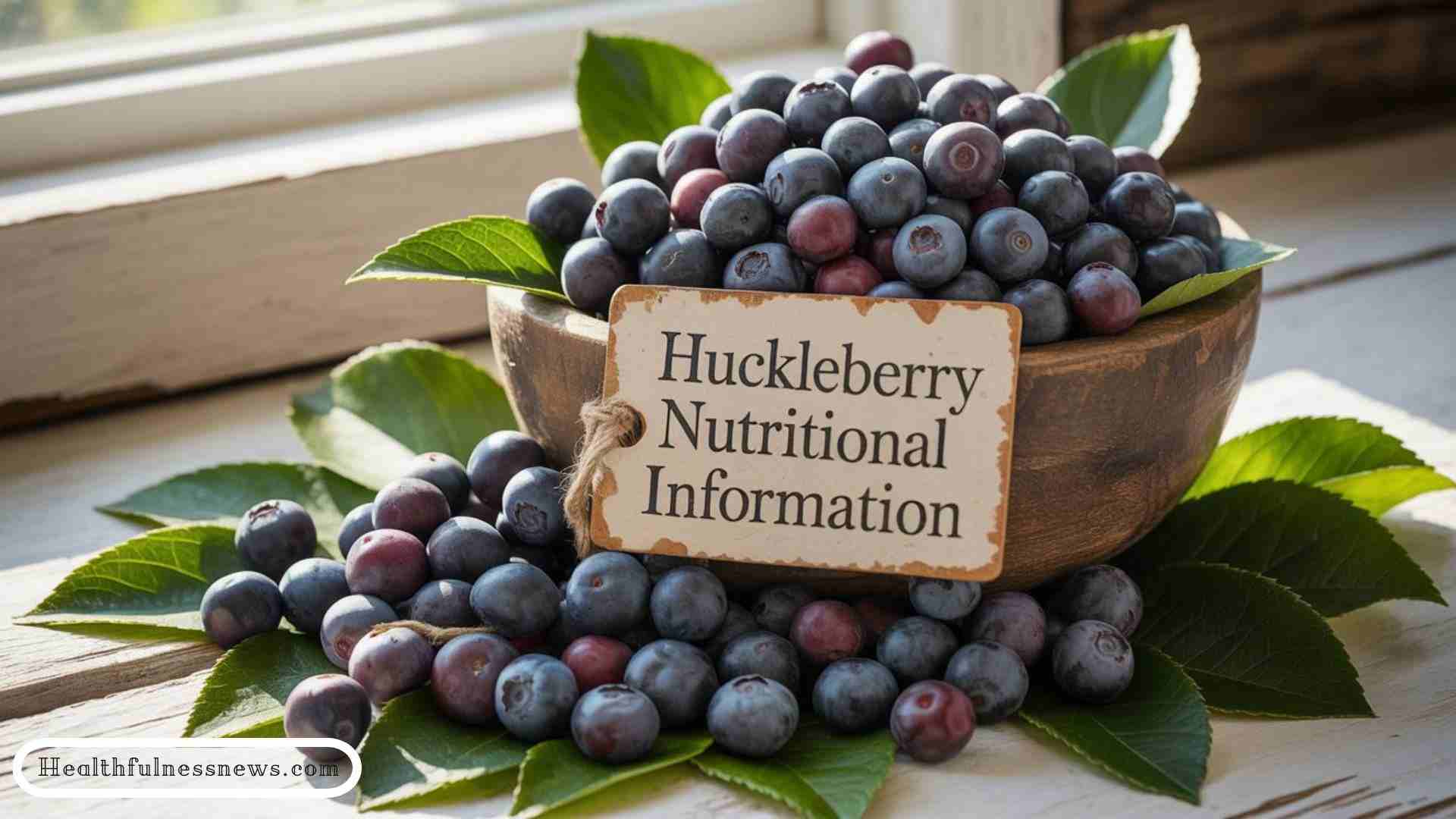
Huckleberry Nutritional Information shows they are low in calories and full of healthy stuff like vitamin C, fiber and antioxidants. They help boost your immune system and keep your body strong.
Stay connected we’ll be talking more about the benefits and facts in Huckleberry Nutritional Information.
What Are Huckleberries?
Huckleberries are small round berries that typically grow in the wild across the mountainous regions of the Pacific Northwest, Northern California, Montana and Idaho. They are part of the Ericaceae family which includes blueberries, cranberries and rhododendrons.
- Color: Dark blue, purple or black
- Flavor: Tart, sweet slightly earthy
- Habitat: Forests, meadows and mountainous terrain
- Season: Mid summer to early fall
Because they resist cultivation most huckleberries on the market are handpicked from wild plants making them rare and often more expensive than other berries.
Huckleberry Nutritional Information (Per 100g)
| Nutrient | Amount |
| Calories | 37 kcal |
| Carbohydrates | 9.0 g |
| Sugars | 6.5 g |
| Dietary Fiber | 2.7 g |
| Protein | 0.4 g |
| Fat | 0.1 g |
| Vitamin C | 22 mg (25% DV) |
| Vitamin A | 40 IU |
| Iron | 0.3 mg |
| Potassium | 100 mg |
| Calcium | 6 mg |
| Antioxidants | High (anthocyanins) |
| Water Content | 85% |
Note: Huckleberries are especially valued for their high antioxidant capacity particularly due to anthocyanins that give them their deep color.
Top Health Benefits of Huckleberries
Rich in Antioxidants
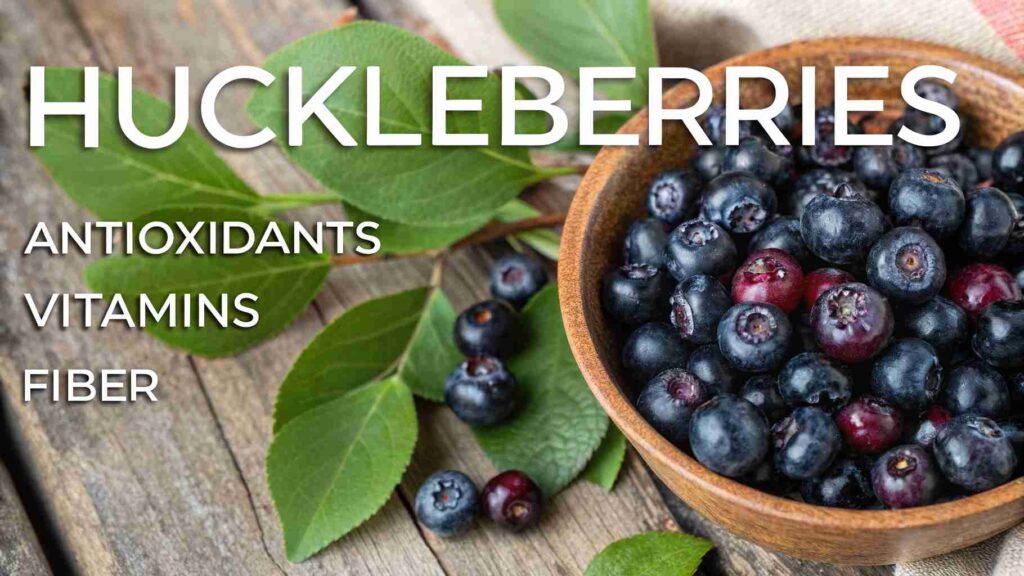
Huckleberries are packed with anthocyanins, powerful antioxidants that fight oxidative stress and inflammation. These compounds also help protect the heart, brain and immune system.
Supports Immune Health
Thanks to their high vitamin C content huckleberries help boost your immune system naturally. One serving gives you a quarter of your daily vitamin C needs.
Aids Digestion
With nearly 3 grams of dietary fiber per 100 grams, huckleberries support a healthy gut and help regulate bowel movements.
Low in Calories and Fat
Trying to manage your weight? Huckleberries are a guilt free snack. They are low in calories, virtually fat free and naturally sweet.
Improves Eye Health
The antioxidants in huckleberries may help improve night vision and reduce the risk of macular degeneration.
Supports Heart and Brain Function
The potassium in huckleberries contributes to heart health by helping to manage blood pressure while the antioxidants may support cognitive function and memory.
Diabetes Friendly
Their low glycemic load and sugar levels make them suitable (in moderation) for individuals with diabetes.
Huckleberry Varieties
There are over 12 species of huckleberries found in North America. Some popular ones include:
| Variety | Color | Region | Flavor Notes |
| Red Huckleberry | Bright red | Coastal Pacific NW | Tart and sharp |
| Black Huckleberry | Deep purple | Eastern U.S. Canada | Sweet and mild |
| Blue Huckleberry | Blue-black | Rocky Mountains | Rich and earthy |
| Thinleaf Huckleberry | Blue-purple | High-altitude regions | Intense flavor |
Culinary Uses of Huckleberries
Huckleberries are incredibly versatile and can be used in both sweet and savory dishes. Here are some popular ways to enjoy them:
Baked Goods
- Muffins
- Pancakes
- Pies
- Scones
Breakfast Ideas
- Smoothie bowls
- Yogurt parfaits
- Oatmeal toppings
Beverages
- Herbal teas
- Fruit juices
- Cocktails and mocktails
Savory Pairings
- Huckleberry sauces for meats like pork or duck
- Salad dressings
- Chutneys
How to Store and Preserve Huckleberries?
Because huckleberries are delicate and seasonal proper storage is essential:
Fresh:
- Refrigerate up to 7 days in a dry container
- Do not wash until ready to eat
Frozen:
- Wash, dry and spread berries on a baking tray
- Freeze individually, then transfer to airtight bags
Dried:
Dehydrated huckleberries make great hiking snacks or tea ingredients
Preserved:
Huckleberry jams, syrups and chutneys are popular long term options
What Do Studies Say?
Several studies have examined the bioactive compounds in wild berries like huckleberries:
- Journal of Agricultural and Food Chemistry (2010): Found huckleberries contain high levels of anthocyanins linked to reduced inflammation and blood sugar levels.
- USDA Research: Wild huckleberries were shown to have higher antioxidant capacity than cultivated blueberries.
Where Can You Buy Huckleberries?
Because they are not commonly farmed huckleberries are typically sold:
- At local farmers markets (especially in Montana and Idaho)
- Online specialty shops (fresh, frozen or dried)
- Organic or health food stores in the Northwest U.S.
Summary Table: Why Huckleberries Matter?
| Health Area | Benefit from Huckleberries |
| Immune System | Rich in vitamin C |
| Digestive Health | High fiber content |
| Anti-Aging | Powerful antioxidants |
| Eye & Brain Function | Rich in anthocyanins |
| Heart Health | Potassium & polyphenols |
| Blood Sugar Control | Low glycemic impact |
FAQ’s
1. Do huckleberries have any nutritional value?
Yes, huckleberries are full of nutrition. They have vitamin C, fiber, potassium and antioxidants that are good for your health.
2. Are huckleberries more nutritious than blueberries?
Huckleberries and blueberries are both healthy but huckleberries usually have more antioxidants which help fight diseases and aging.
3. How many calories are in 100g of huckleberries?
There are about 37 calories in 100 grams of huckleberries so they are a light and healthy snack.
4. Is huckleberry a superfood?
Yes, many people call huckleberries a superfood because they are rich in antioxidants and vitamins that support your body.
5. Why are huckleberries so expensive?
Huckleberries are expensive because they grow in the wild, are hard to farm and must be picked by hand.
6. Are huckleberries safe to eat raw?
Yes, huckleberries are safe to eat raw. Just wash them first to remove any dirt or bugs.
Conclusion:
Huckleberries are small but full of big health benefits. They taste great, are rich in nutrients and support your body in many ways. Whether fresh or frozen. They are a smart choice for any diet. Try them today and enjoy their natural goodness. Stay tuned for more healthy food tips.