
Trauma informed therapy is becoming a trusted approach for people who want care that feels safe, respectful, and human. Many individuals carry stress from past experiences that still affect daily life, relationships, and self trust. This approach focuses on understanding how trauma shapes emotions and behavior without blame.
For queer and trans individuals, finding the right support can feel challenging. Identity stress, social pressure, and past harm can make healing harder without the right space. This is where Trauma-informed therapy plays an important role by offering care that centers safety, choice, and empowerment.
Understanding Trauma Informed Therapy and Why It Matters
Trauma informed therapy is a way of working that recognizes how deeply past experiences affect the body and mind. Instead of asking what is wrong, it asks what happened and how support can help. This shift builds trust and reduces fear during therapy.
This approach is especially important for people who have felt unseen or misunderstood. Trauma-informed therapy focuses on collaboration and respect, allowing clients to move at their own pace while feeling supported and in control.
Trauma Informed Therapy for Queer and Trans Individuals
Queer and trans individuals often face unique stress linked to identity, safety, and belonging. These experiences can lead to long term emotional and physical responses. Therapy that ignores this context may feel unsafe or incomplete.
This is why practitioners like Weronika Rogula create trauma informed spaces that affirm identity and lived experience. Through weronikarogula.com, clients can explore support that understands the realities of queer and trans lives without judgment or pressure.
How Somatic Based Support Helps with Trauma
Somatic based support focuses on how trauma lives in the body, not just the mind. Stress responses often show up as tension, fatigue, or feeling disconnected. Working with the body helps release these patterns gently.
In trauma informed therapy, somatic methods help people feel grounded and present. This approach allows healing without forcing painful memories, making it especially helpful for those who feel overwhelmed by talk based methods.
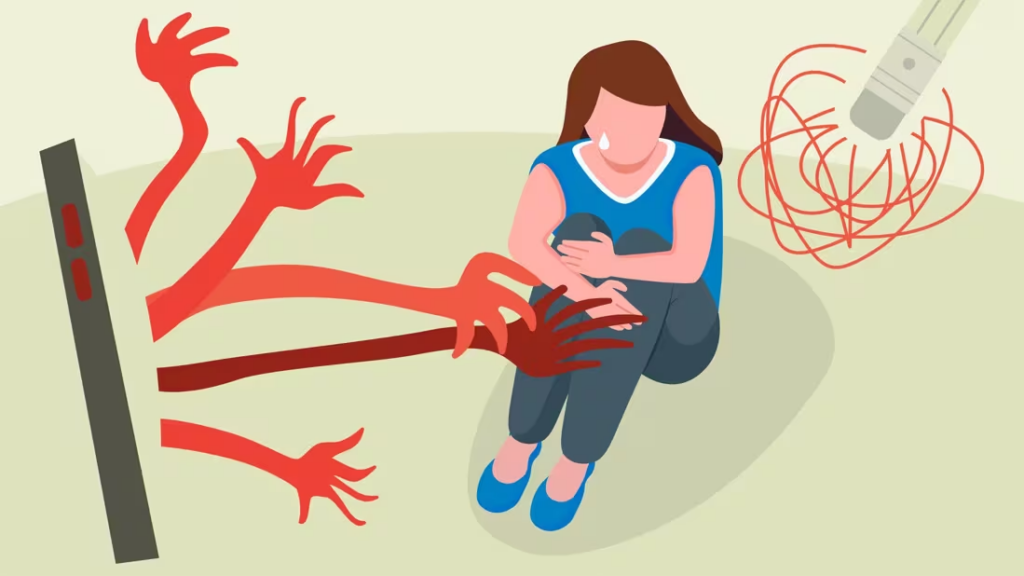
Supporting Couples and Polycules Through Trauma Informed Therapy
Relationships can carry shared stress, especially when partners have experienced trauma. Communication issues, trust concerns, and emotional distance often grow without support. Trauma informed therapy helps partners understand these patterns together.
For couples and polycules, therapy creates space to build safety and honesty. Trauma informed care respects each person’s boundaries while helping relationships grow stronger through empathy and understanding.
Creating Safety and Trust in the Therapy Process
Safety is the foundation of trauma informed therapy. Clients are encouraged to express needs, pause when necessary, and make choices about their care. This sense of control helps reduce fear and resistance.
Trust builds over time through consistency and respect. Trauma informed therapists focus on clear communication and shared goals, allowing healing to happen in a way that feels supportive and steady.
The Role of Identity Affirmation in Healing
Feeling accepted is a key part of recovery. For queer and trans individuals, identity affirmation reduces stress and builds confidence. Trauma informed therapy integrates this by honoring names, pronouns, and lived realities.
When identity is respected, clients feel more open and engaged. This connection supports emotional regulation and helps individuals rebuild a positive relationship with themselves.
Long Term Benefits of Trauma Informed Therapy
Trauma informed therapy supports lasting change by addressing both emotional and physical responses. Clients often report improved self awareness, healthier relationships, and better stress management.
Over time, this approach helps people feel more present and empowered. Healing becomes a process of growth rather than a struggle to fix something broken.
Choosing the Right Trauma Informed Therapist
Finding the right therapist is an important step. Look for someone who listens, explains the process clearly, and respects boundaries. Trauma informed therapy should always feel collaborative, not rushed.
A supportive provider like Weronika Rogula offers care that blends somatic support with deep understanding of queer and trans experiences. Through Trauma-informed therapy, individuals and relationships can move toward healing with confidence and clarity.