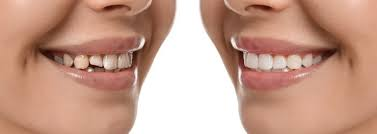
A healthy smile depends on more than regular brushing and flossing. The foods and drinks you consume every day directly influence the strength of your teeth, the health of your gums and the balance of bacteria in your mouth. When someone is undergoing orthodontic treatment, diet becomes even more important because teeth, gums and jawbone structures are actively adapting to new alignment positions.
Orthodontic appliances such as braces or clear aligners can create areas where food particles and plaque are more likely to accumulate. If dietary choices frequently include sugary or sticky foods, the risk of tooth decay and gum irritation can increase. On the other hand, nutrient-rich foods support enamel strength, gum health and the natural processes that help teeth move safely into their new positions.
By focusing on balanced nutrition, individuals can protect their oral health while also supporting successful orthodontic treatment outcomes.
Key Nutrients That Strengthen Teeth and Gums
Teeth and gums rely on a range of essential nutrients to stay strong and resilient. Calcium is one of the most important minerals for maintaining tooth structure. It supports the strength of enamel and helps keep jawbones healthy enough to hold teeth firmly in place. Dairy products such as milk, yoghurt and cheese are well-known calcium sources, but leafy greens, almonds and fortified plant-based alternatives also provide beneficial amounts.
Vitamin D plays a crucial role in helping the body absorb calcium effectively. Without sufficient vitamin D, the body may struggle to utilise calcium for bone and tooth health. Sunlight exposure, eggs and fatty fish such as salmon and sardines can help maintain healthy vitamin D levels.
Phosphorus works alongside calcium to maintain and repair tooth enamel. It helps balance minerals in teeth and strengthens their structure. Foods such as poultry, seafood, beans, lentils and nuts provide valuable sources of phosphorus.
Vitamin C is equally important, particularly for gum health. This nutrient supports collagen production, which helps maintain the strength of gum tissue. Fruits like oranges, strawberries and kiwi, along with vegetables such as capsicum and broccoli, can help reduce inflammation and protect gums from infection.
Supporting Orthodontic Treatment Through Smart Eating
Orthodontic care works by gradually moving teeth into their ideal positions through controlled pressure and natural bone remodelling. Nutrition supports this process by providing the nutrients needed for bone health and tissue repair.
Adequate protein helps maintain strong tissues and supports healing when minor gum irritation occurs. Minerals like calcium and phosphorus strengthen the jawbone and the structures that hold teeth securely in place.
Advances in dental technology allow practitioners to plan treatments with remarkable precision. Achieving a healthy bite alignment achieved through orthodontics and digital diagnosis relies on both professional care and healthy daily habits, including proper nutrition.
Orthodontic-Friendly Foods to Include in Your Diet
When wearing braces or aligners, choosing foods that are both nutritious and gentle on dental appliances can make daily eating easier and safer. Soft fruits such as bananas, berries and ripe peaches are excellent options that provide vitamins and antioxidants while remaining easy to chew.
Cooked vegetables like pumpkin, sweet potato, zucchini and carrots are also ideal. Cooking softens their texture, making them less likely to damage braces while still delivering fibre and important nutrients.
Protein-rich foods support tissue repair and general health, which is beneficial during orthodontic treatment. Eggs, fish, tofu, beans and tender chicken are excellent choices that are unlikely to interfere with orthodontic appliances.
Whole grains such as oatmeal, quinoa and soft rice dishes provide sustained energy and essential nutrients. Dairy foods, including yoghurt and cheese, offer calcium and can help neutralise harmful acids in the mouth.
Smoothies are another convenient option, particularly during the days immediately following orthodontic adjustments when teeth may feel sensitive. Blending fruits, yoghurt and leafy greens can create a nutrient-rich drink that is gentle on teeth.
Foods to Limit During Orthodontic Treatment
While many foods support dental health, some can create problems for people wearing braces or aligners. Hard foods are among the most common concerns because they can break brackets or bend wires. Items such as hard lollies, popcorn kernels and ice should generally be avoided.
Sticky foods can also cause complications. Caramel, toffee and chewing gum may cling to braces and become difficult to remove, increasing the risk of plaque build-up and tooth decay.
Sugary foods and beverages should be consumed in moderation. Sugar feeds oral bacteria that produce acids capable of weakening enamel and causing cavities. When sugar is consumed frequently throughout the day, teeth remain exposed to these acids for longer periods.
Acidic drinks, including soft drinks and some sports beverages, can also erode enamel over time. Choosing water or milk instead can help protect teeth while maintaining proper hydration.
The Importance of Hydration for Oral Health
Staying well hydrated is essential for maintaining a healthy mouth. Drinking water regularly encourages saliva production, which plays an important role in protecting teeth and gums.
Saliva helps wash away food particles and bacteria while neutralising acids that can damage enamel. It also contains minerals that contribute to the natural repair of tooth surfaces.
Fluoridated tap water provides an additional layer of protection by strengthening enamel and making teeth more resistant to decay. For people undergoing orthodontic treatment, replacing sugary beverages with water can significantly reduce the likelihood of developing cavities around brackets or aligners.
Creating Daily Habits That Protect Your Smile
Maintaining healthy eating habits can make a long-term difference to oral health. Preparing balanced meals, limiting frequent snacking and selecting foods that support enamel and gum health all contribute to a healthier mouth.
Crunchy vegetables, dairy products, nuts and vitamin-rich fruits can help strengthen teeth while supporting gum tissue. Combining these foods with regular brushing, flossing and routine dental visits helps protect oral health throughout orthodontic treatment.
Research consistently highlights that a diet rich in these foods can significantly improve your oral health by strengthening enamel, supporting gum health and reducing the risk of dental disease over time.